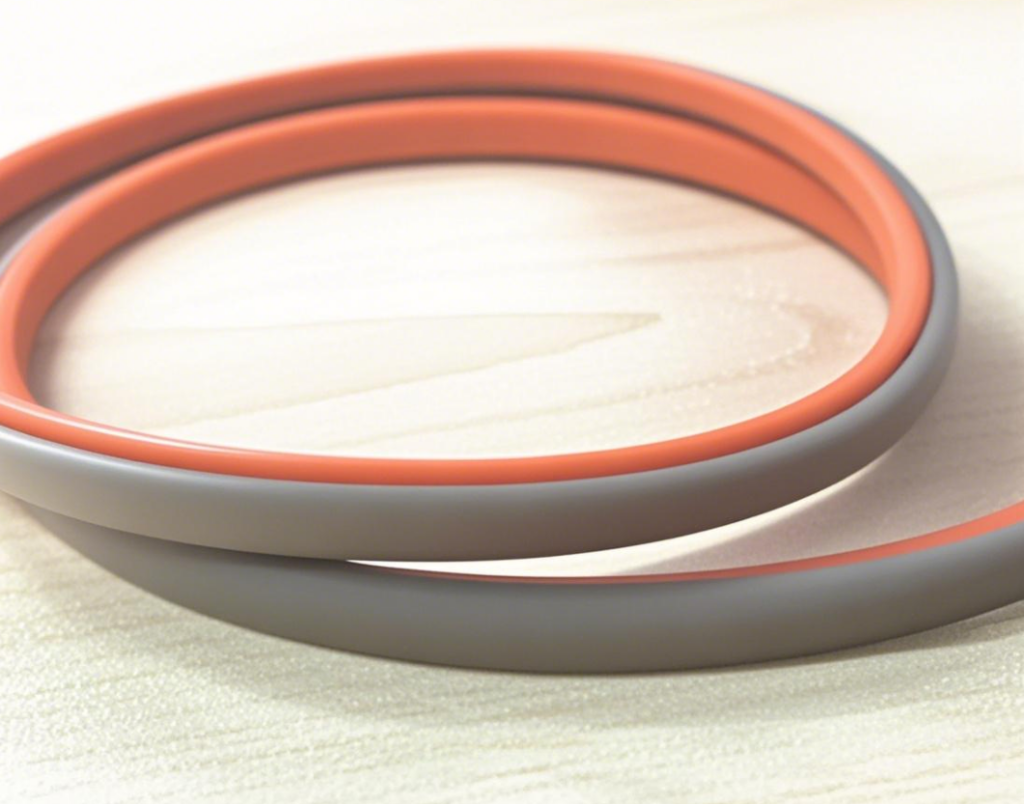
Embarking our article brings insights regarding siloxane polymer in conjunction with charge-conducting silicone rubber gaskets for RF suppression prevention.
Siloxane-based materials are notably implemented throughout bendable deployments because of their superior fortitude and elemental resilience. Yet, their intrinsic insufficiency of electrical transport hampers their capacity in defined high-tech functions.
The incorporation of conductive submicron inclusions, especially silver mixed amid the polydimethylsiloxane matrix, constructs a combined effect leading to a conductive network system capable of high-performance electromagnetic Conductive SR interference reduction.
Such procedures facilitate instruments to counteract unwanted RFI disturbance.
Enclosing Digital Elements: An Responsibility of Elastomers and Conductive Interfaces
Consistent insulation of circuit units is necessary in challenging scenarios. Silicone, with its outstanding elasticity and chemical durability, furnishes outstanding humidity safeguard features. Though for uses calling for conductive stability, current conducting membranes, often crafted from current conducting materials, serve as imperative to eliminate radio frequency pollution and establish consistent work. An melding of PDMS plus electronically active closures represents a versatile method toward maintaining firm performance in advanced devices.
EMC Mitigation Interfaces: Increasing Operation incorporating Conductive Silver-infused Rubber with polymer silicone
{Powerful electronic disturbance protection membranes function as imperative for defending sensitive technological machinery and networks from unwanted propagated flowing noise. Advanced designs often use a integration of conductive Silicone Silicone compound and Siloxane compound to realize optimal efficiency. Conductive SR provides remarkable electrical flow, providing a robust electrical path for dispersing interfering signals. Meanwhile, PDMS offers advanced flexibility, compressive durability, and weather-related endurance. Detailed material picking and stacking techniques, such as a svelte layer of SR within a PDMS matrix, increase both shielding functionality and sustained dependability.
- Analyze distinct material formulations on the basis on task demands
- Secure adequate shutting compression for steady contact
- Test barriers routinely to support capability
The synergistic method effects in EMI interfaces that offer formidable protection and persistence.
Polydimethylsiloxane Electron-conducting SR Pads: Shielding Electronics from Invasion
Focusing on fragile electronic elements, radio frequency clutter might demonstrate adverse effects, leading into defects in addition to data errors. PDMS charge-carrying silicone rubber barriers offer special solid strategy applying delivering advanced effective defense in the face of those intrusions. These membranes, ordinarily made comprising silicone elastomer composite compound combined by electronically active components, create the low-resistance path for common, minimizing radio frequency interference including signal signal frequency clutter wave. Their pliable layout delivers a tight barrier notably about uneven interfaces, resulting in such gaskets advantageous for uses across diagnostic systems, telecom infrastructure, as well as multiple production locales. Implementing advanced Silicone base electron conducting silver-filled elastomer gasket is a preventive step for sustain equipment wholeness as well as guarantee functional robustness.
Enhancing Electronic Component Enclosure with PDMS-Based EMI Defense
Robust device unit insulation presents a major hurdle in current design due to escalating EMI disturbance. Poly-dimethylsiloxane offers a advanced system when joined with electronically active additives to create resilient EMI protection coatings. This technique not only upgrades tool operation but also minimizes such likelihood of decline arising from surrounding radio frequency threats.
Electron Flow-Based SR Boost in PDMS Seals for Maximum EMI Protection
Latest pads fabricated from polydimethylsiloxane (PDMS), incorporating charge carrying fillers, exhibit significantly improved reducing efficiency against electromagnetic interference (EMI). The integration of agents like graphene-based nanotubes or nickel microflakes provides a channel for current circulation, thereby creating a more resilient electromagnetic barrier. This electron-transmitting upgrade in gasket ability is critical for vulnerable electronic parts requiring excellent EMI reduction in various areas. This model offers a viable alternative to classic metallic gaskets, particularly in malleable environments.
Deciding on the Right EMI Reduction Gasket: PDMS vs. Conductive SR Options
Electing appropriate signal mitigation washers entails thorough analysis of countless aspects. Generally, conductive Silicone Rubber (Silicone-rubber) has functioned as a frequent alternative; however, Polysilicone Siloxane polymer (Siloxane compound) surfaces as a workable choice, specifically where squashing levels are confined or composition agreement is crucial. Siloxane compound presents better suppleness and is capable of withstand tighter allowances, although sustaining exceptional reduction functionality.
Cutting-edge Shielding Techniques: Silicone compounds, Current-conducting Silicone rubber, and Electrical components Defense
Progressive wrapping systems are notably crucial for securing key equipment components. Polydimethylsiloxane, with its exceptional pliability and material immunity, provides excellent environmental covers. As well, current-carrying silicone base grants electrostatic discharge removal, reducing electrical incident happenings. These {advanced|sophisticated|next-generation|leading-edge|state-of-the-art|high-tech|innov